
What is the TULIP?
The TULIP is a Tenants' and Users' Liability Insurance Policy, also known as "Events Coverage". It is used by institutions who permit "third parties" to use their facilities for specific events. It protects both the Facility User and the Institution against claims by third parties who may be injured or lose property as a result of participating in an event. Events may range from very low risk events such as classroom seminars, receptions or weddings to higher risk events including camps, sports events or rock concerts.
Get Out and Stay Alive
The U.S. Fire Administration (USFA), part of the Federal Emergency Management Agency, has produced an award-winning fire safety video, Get Out and Stay Alive. The Get Out and Stay Alive program is designed to educate college students about the importance of day-to-day fire safety and prevention measures in residence halls and off-campus housing. The program consists of a video and focuses on three main topics: getting out, prevention, and protection.
The Campus Fire Safety Right to Know Act of the Higher Education Opportunity Act requires institutions that maintain on-campus student housing facilities to maintain a Fire Log with fire statistics for on-campus student housing facilities and publish an annual fire safety report that contains information about campus fire safety practices and standards of the institution.
Fire Log
Proper oil storage and handling are crucial for the safety of the University of Maryland. Just one quart of oil can contaminate up to a quarter million gallons of drinking water or cause an oil slick almost 2 acres in size. A spill of only one gallon of oil can contaminate a million gallons of water. In order to protect human and environmental health, the Maryland Department of the Environment (MDE) created the Oil Control Program (OCP).
In accordance with our MS4 permit (13-SF-5501), the permittee (UMD) must comply with all State and Federal public notice requirements for any regulated activity associated with this general permit. This page allows the public access to the University's spill reports, illicit discharge detection elimination investigations, and the Maryland Department of the Environment (MDE) inspections
Stormwater management, pollution control, and environmental compliance are key priorities for the University of Maryland. Located in the heart of the Anacostia Watershed, the College Park campus discharges stormwater into three local tributaries. Because of the sensitive nature of these waterways, stormwater in Maryland is subject to strict environmental regulations designed to protect and improve water quality.
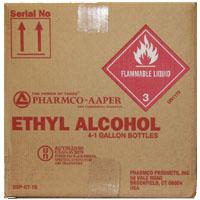 The rules and regulations associated with the transportation of hazardous materials are often described as complex and confusing. A hazardous material is any substance that can cause harm to humans, animals, or the environment while being transported.
Emergency Response
Medical Emergency: Immediate Procedures
- Call for Emergency Response: 9-1-1 or (301) 405-3333.
- Initiate lifesaving measures if required and if trained.
- Do not move injured person unless there is danger of further harm.
Major Incident: Immediate Procedures
Fire, Major Chemical, Biological or Radiation Spill
Chemical Response Spill Kit
Do you need a chemical response spill kit? or Do you need to replace items in your spill kit?
Below you will find the information you need to order a chemical response kit or replenish your kit from the University of Maryland Chemistry Stores. For more information see the Chemistry Stores website.
The following substances may react violently with one another and must be kept apart.
| Chemical | Is Incompatible with |
|---|---|
| Acetic acid | Chromic acid, nitric acid alcohols, ethylene glycol, perchloric acid, peroxides, permanganates |
| Acetone | Concentrated nitric and sulfuric acid mixtures |
| Acetylene | Chlorine, bromine, fluorine, copper, silver, mercury |
| Acids | Bases |