
The UMD Respiratory Protection Program exists to protect the health of employees in accordance with OSHA 1910.134. The program includes medical surveillance, training and fit-testing.
The University of Maryland is committed to providing a work environment that is free of recognized hazards and investigate concerns which may be related to
indoor air quality (IAQ).
The heat safety program is designed to protect employees from heat-related illnesses while working in high temperature indoor and outdoor environments.
The information on this page includes requirements and guidance for all UMD faculty and staff who must work in conditions that have a heat index of 80°F or higher.
Exposure to high levels of noise can cause temporary or permanent damage to hearing. Damaging levels of noise can be caused by a wide variety of sources such as construction equipment, heavy machinery, lawn mowers, weed trimmers, steam generation, concerts, and industrial or agricultural vehicles. The University of Maryland is required to evaluate potential noise exposure and implement precautions to protect affected employees.
The use and storage of chemicals and other products may present a variety of hazards to University of Maryland employees. To protect University of Maryland faculty, staff, and employees from the dangers associated with chemical substances used during the course of their work, the University has developed a comprehensive Hazard Communication Standard.
 The University of Maryland is committed to providing a safe work environment that is free of recognized hazards and to make sure Students, Faculty and Staff who work from heights with unprotected sides or edges greater than the applicable OSHA Standards receive Fall Protection Training.
Ergonomics is an applied science which emphasizes the importance of designing workstations (i.e. office furniture or industrial work areas and equipment) so the workstation fits the individual worker. The objective is to "design out" as many ergonomic risk factors as possible in an effort to reduce musculoskeletal disorders (MSD). Ergonomics is also referred to as Human Factors.
The following fact sheets are available on this page:

 Principal Investigators (PI) are responsible for notifying ESSR of their laboratory's use of human blood, unfixed human tissue, and human cell lines. Registration is available online.
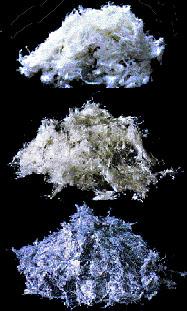
The asbestos and asbestos management fact sheets provide employees, students, and visitors with basic information about the management of asbestos-containing materials in buildings managed by the University.