
Stormwater management, pollution control, and environmental compliance are key priorities for the University of Maryland. Located in the heart of the Anacostia Watershed, the College Park campus discharges stormwater into three local tributaries. Because of the sensitive nature of these waterways, stormwater in Maryland is subject to strict environmental regulations designed to protect and improve water quality.
To comply with state and federal regulations, the University maintains several stormwater permits that govern its operations across campus. These permits regulate how stormwater and related discharges are managed, especially during and after construction, and require the University to implement pollution control measures that minimize environmental impact.
Stormwater Permits Held by UMD
The University currently holds five primary stormwater-related permits in addition to the 20-CP general construction permit:
- Individual Industrial Permit: Authorizes the discharge of cooling water, boiler blow-down, and condensate wastewater into nearby surface waters through a separate storm drain system.
- 20-SW Permit: Governs stormwater discharges at six designated locations on campus, each with unique infrastructure and environmental considerations.
- MS4 Phase II General Permit: This National Pollutant Discharge Elimination System (NPDES) permit regulates stormwater runoff from all campus surfaces—including roads, rooftops, parking lots, and construction areas—entering the University’s storm drain system.
- 17-HT Permit: Covers the discharge of potable water sources into state waters, including from maintenance activities such as hydrant flushing.
- 17-PE Permit: Regulates discharges impacted by the application of pesticides to ensure that runoff does not negatively affect downstream ecosystems.
Each permit imposes specific discharge limits and requires the implementation of Best Management Practices (BMPs) to control pollution and safeguard water quality.
Ongoing Stormwater Control Measures
To meet these permit requirements and minimize environmental impacts, the University applies several proactive strategies:
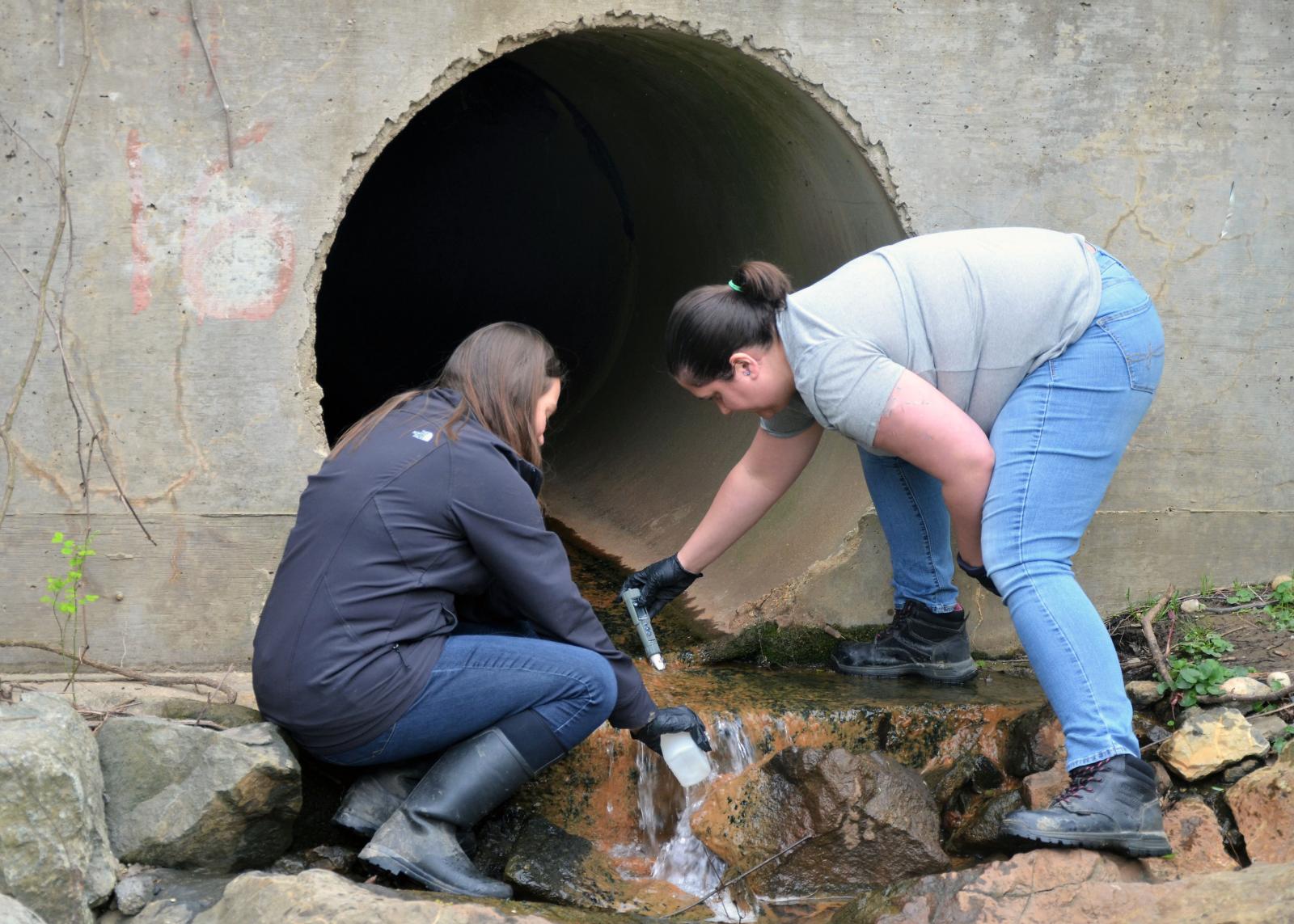
- Routine Water Sampling: Thirteen designated outfalls are regularly monitored to ensure that pollutant levels remain below permitted thresholds.
- Illicit Discharge Detection and Elimination (IDDE): This program actively identifies and responds to unauthorized discharges into the storm drain system.
- Facility Inspection and Maintenance: Over 100 stormwater control structures across campus are subject to regular inspection, cleaning, and maintenance to ensure proper function.
Mapping, Research, and Public Engagement
The University is also investing in the future of stormwater management through:
- GIS Mapping: A comprehensive mapping initiative is underway to document storm drain infrastructure and identify impervious surfaces. This data will help guide future stormwater retrofit projects and enhance drainage system planning.
- Water Reuse Initiatives: UMD is exploring opportunities to capture and reuse stormwater, reducing reliance on potable water sources.
- Ongoing Research: Faculty and staff conduct research in stormwater treatment technologies, contributing to broader scientific and regulatory advancements.
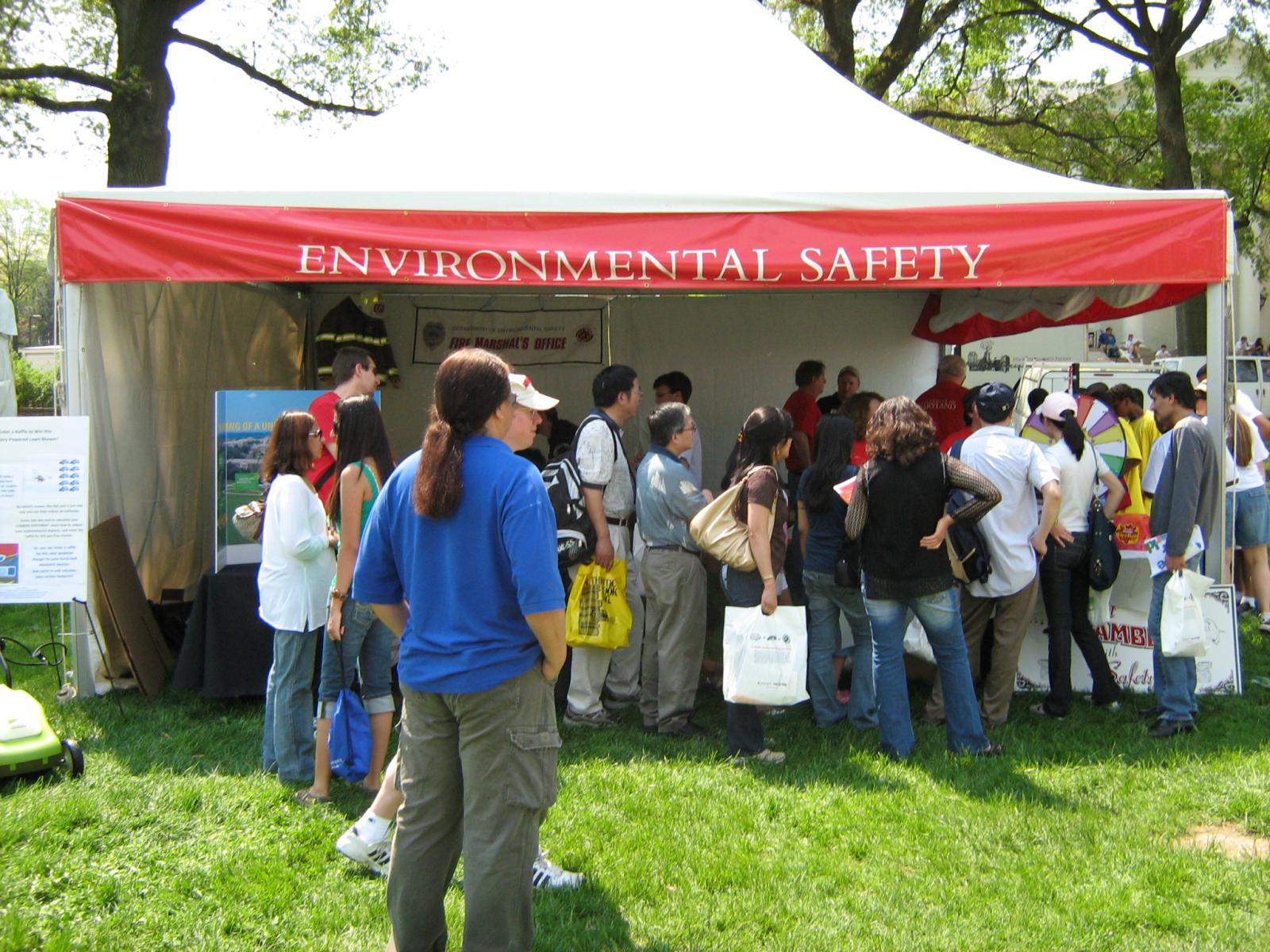
- Outreach and Education: The University provides education to students, faculty, staff, and the broader community about stormwater management and water quality, fostering a culture of environmental stewardship.
Report a Concern
If you notice a spill, discharge, or stormwater-related issue on or near campus, please contact the Stormwater Hotline:
Public Notifications
List of our public Notifications on all oil spill reports, sewage releases, IDDE investigations, and MDE compliance inspections from the past five (5) years.
 Annual MS4 Report
Current and Past Annual MS4 Reports for UMD

 Public Participation
 Plans
Plans  Training
 Educational Resources
- MS4 Phase II Permit Fact Sheet State and Federal
- Chesapeake Bay Restoration Fact Sheet Under MS4 Phase II Permit
- Maryland's Stormwater Management Act
- Maryland Water Quality Maps
- Maryland Department of the Environment
- Environmental Protection Agency (EPA)
- Chesapeake Stormwater Network
- WikiWatershed
- Chesapeake Bay Foundation
- Anacostia Watershed Society
- Metropolitan Washington Council of Governments
- UMD Sustainability Water page
- UMD Facilities Management